Arctic Indigenous Languages
Between forty and ninety Indigenous languages are spoken in the Arctic, depending on the methods used to classify languages and dialects. Although many Arctic Indigenous languages are threatened, there is a growing movement among Indigenous Peoples to establish initiatives that revitalize their languages.
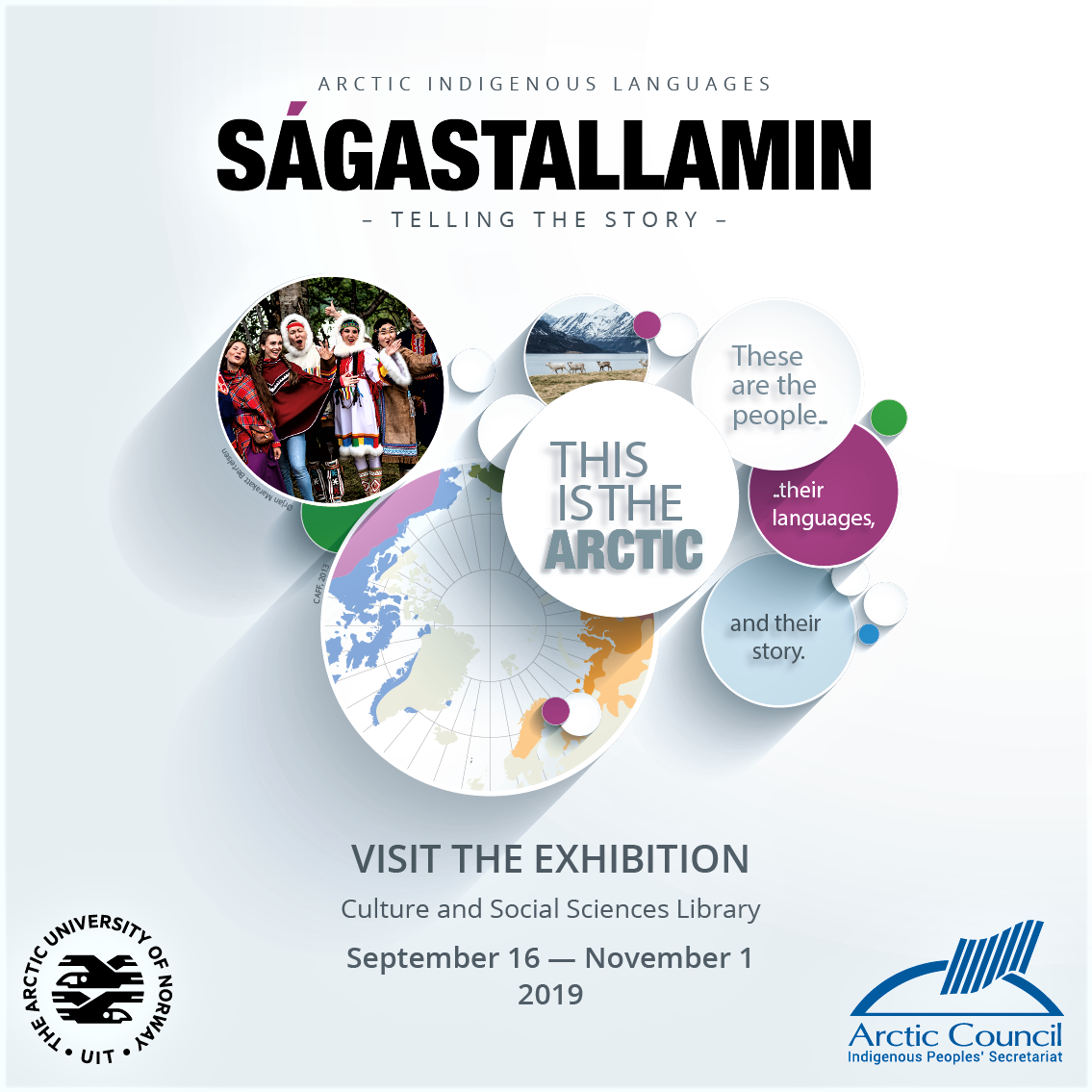
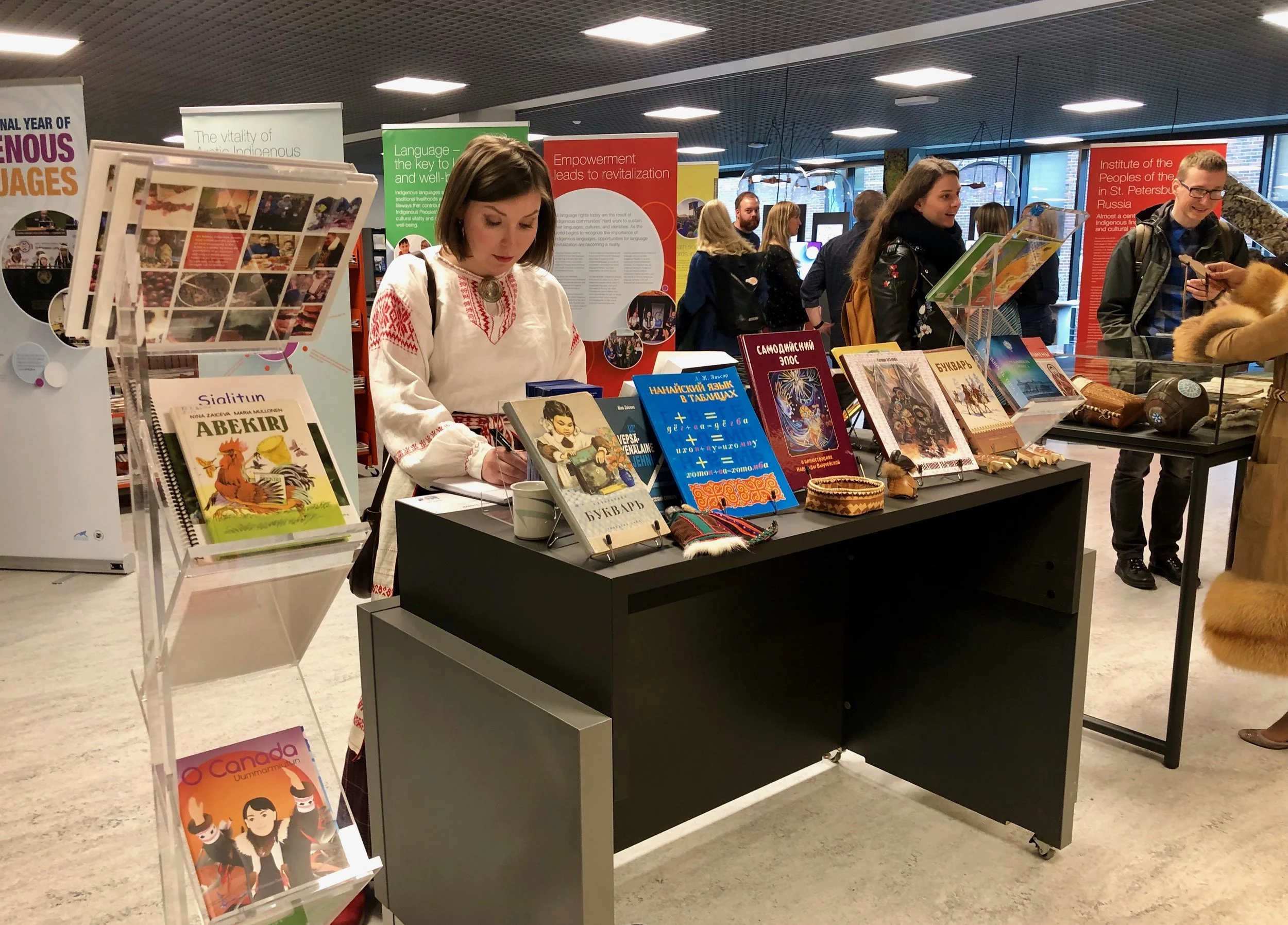
To celebrate the 2019 International Year of Indigenous Languages, the Arctic Council Indigenous Peoples' Secretariat and UiT University Library joined together to produce an exhibition entitled "Ságastallamin: Telling the Story.” The exhibition provides background on Arctic Indigenous languages and showcases institutions working to revitalize them.
After opening in the UiT University Library, the exhibition travelled to Rovaniemi, Finland for the 6th Arctic Leaders’ Summit. It will continue to travel across the circumpolar North.
The Ságastallamin Exhibition included 17 roll-ups, a 4-meter-long map, and a Spotify playlist of songs in Arctic Indigenous languages. Click the buttons below to learn more.
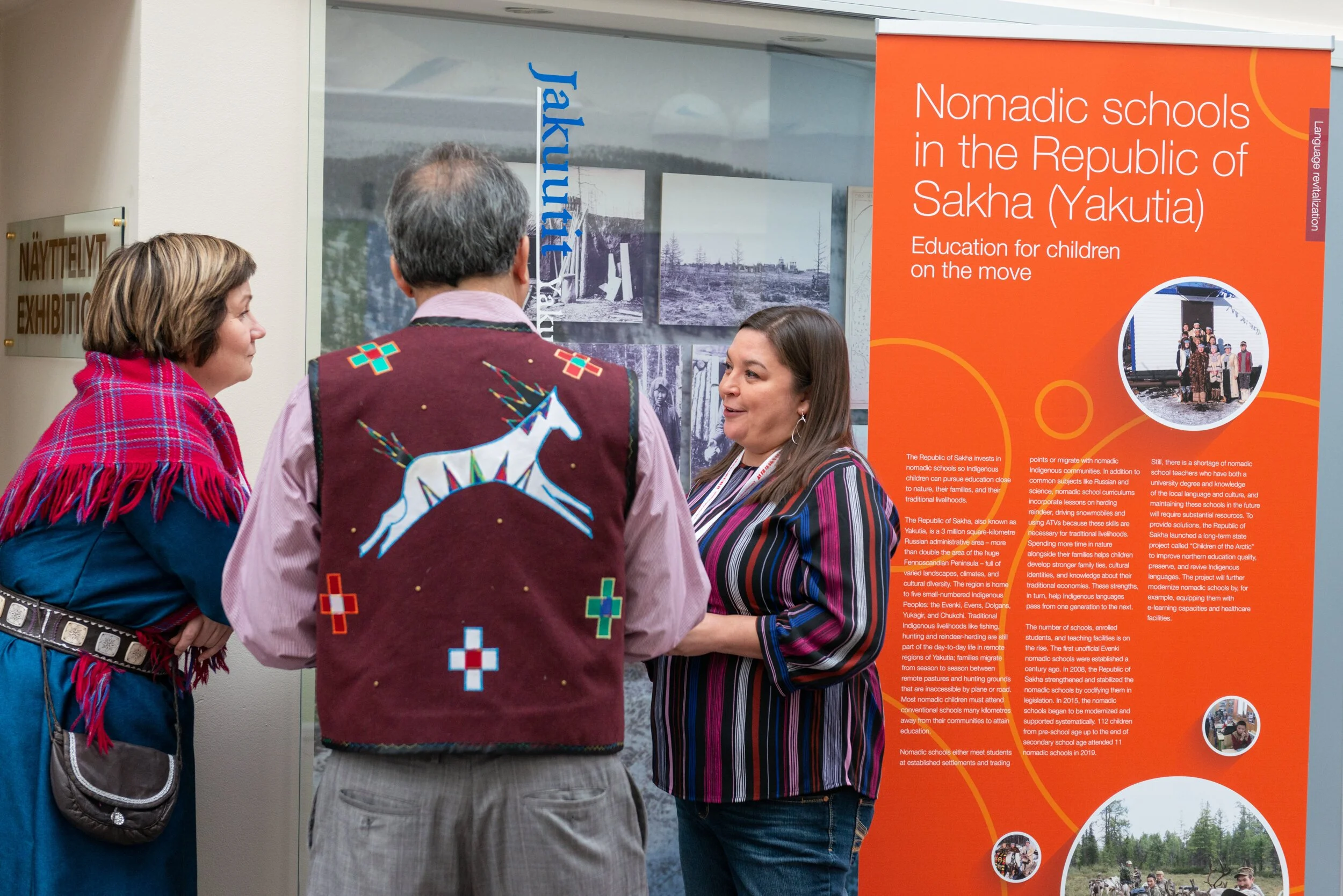
“Ságastallamin” posters
Background on Arctic Indigenous languages
“Ságastallamin: Telling the Story” presents the Arctic region, the Peoples therein, and the languages they speak. The exhibition describes some challenges the languages have faced in the past and ones they continue to face into the modern day. Because the exhibition originated in Sámi homelands, one poster is dedicated to Sámi languages.
Click the buttons below to read the texts from the posters included in the Arctic Indigenous languages exhibition.
Language revitalization initiatives
Many revitalization efforts around the circumpolar Arctic are made possible with the help of community-based movements, new laws and state-funded institutions that protect Indigenous languages, regional Indigenous-owned corporations, and modern technology. The Permanent Participant organizations nominated the following exceptional institutions and initiatives to be highlighted in “Ságastallamin: Telling the Story.”
Click the buttons below to read texts from the “Ságastallamin” posters about Arctic Indigenous language revitalization initiatives.
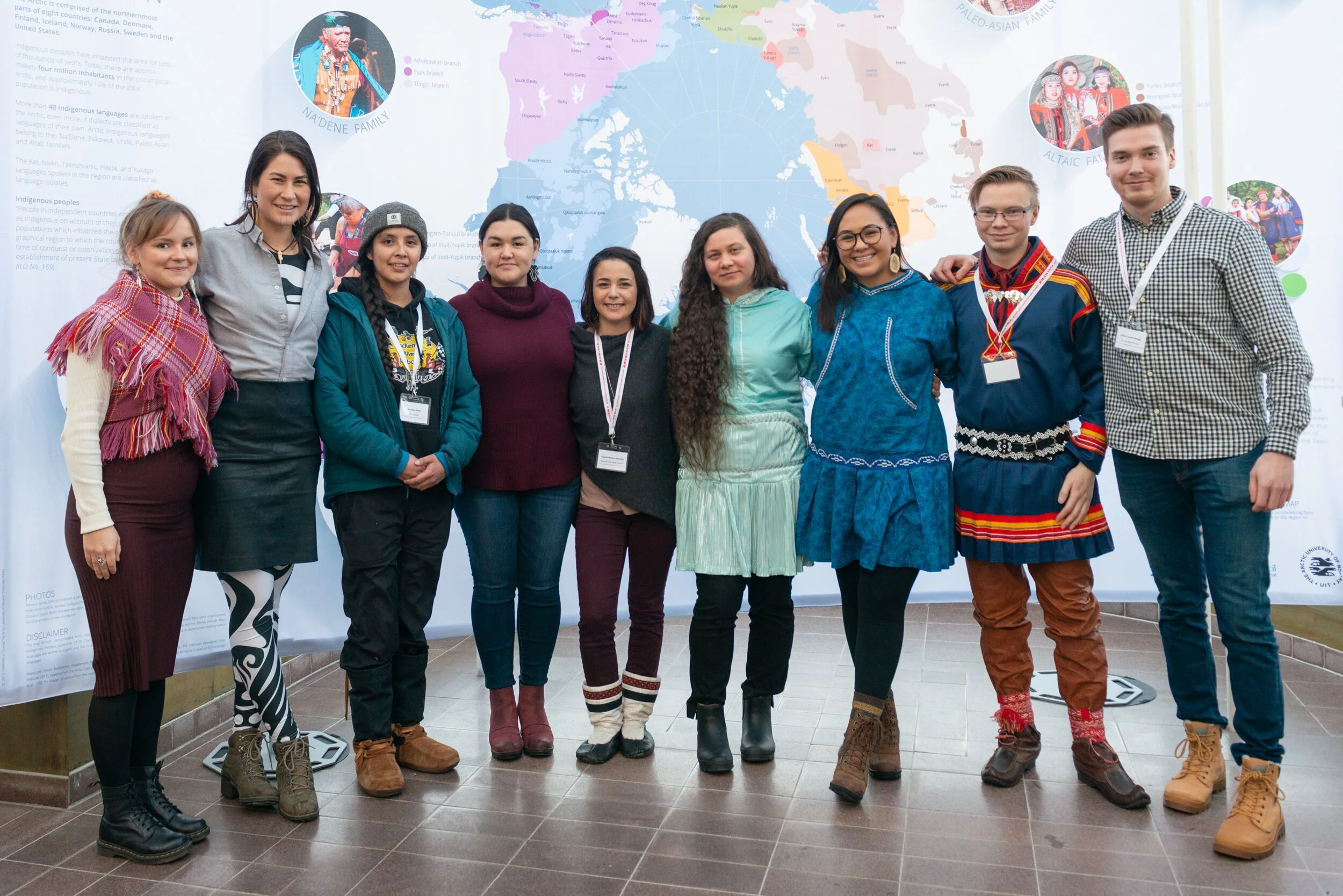
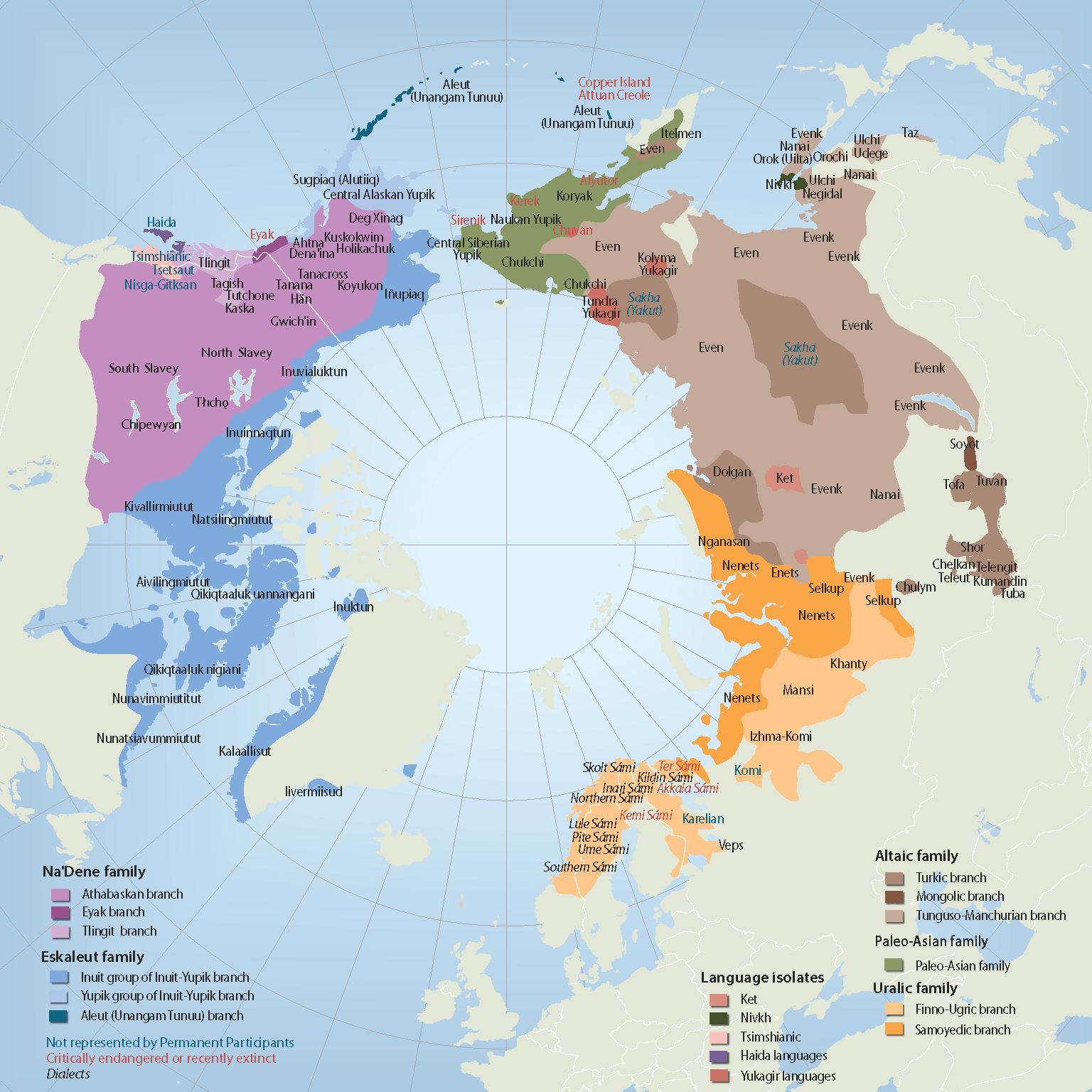
Arctic languages map
About the map
The Arctic Indigenous languages map updated for the Ságastallamin exhibition broadly demonstrates Arctic Indigenous languages spoken by members of the Arctic Council Permanent Participant organizations (Indigenous Peoples Secretariat, 2019). The borders between the language families and locations are illustrative and not entirely precise. Most languages are written in English and not in their traditional orthographies. Different dialects are marked in italics to demonstrate diversity within languages.
Continued work
“Arctic Indigenous languages and revitalization: an online educational resource” was a 2021-2022 follow-up project to the language exhibition. The purpose of the project was to finalize a peer-reviewed comprehensive circumpolar GIS map of Arctic Indigenous languages to be used as an openly available online resource for education and research. The map project incorporated feedback already received by the Indigenous Peoples’ Secretariat on the first draft of language map that was on display as part of the Ságastallamin exhibition, as well as extensive further work based on academic literature, existing language maps, Indigenous knowledge and peer-review.
Submit language feedback
The Indigenous Peoples’ Secretariat is always actively seeking further input on Arctic Indigenous Peoples’ languages and revitalization work.
Please submit information you would like the IPS to be aware of using the form or e-mail the IPS. We are also looking for further suggestions for innovative language revitalization initiatives to feature on the map.
Social media campaign
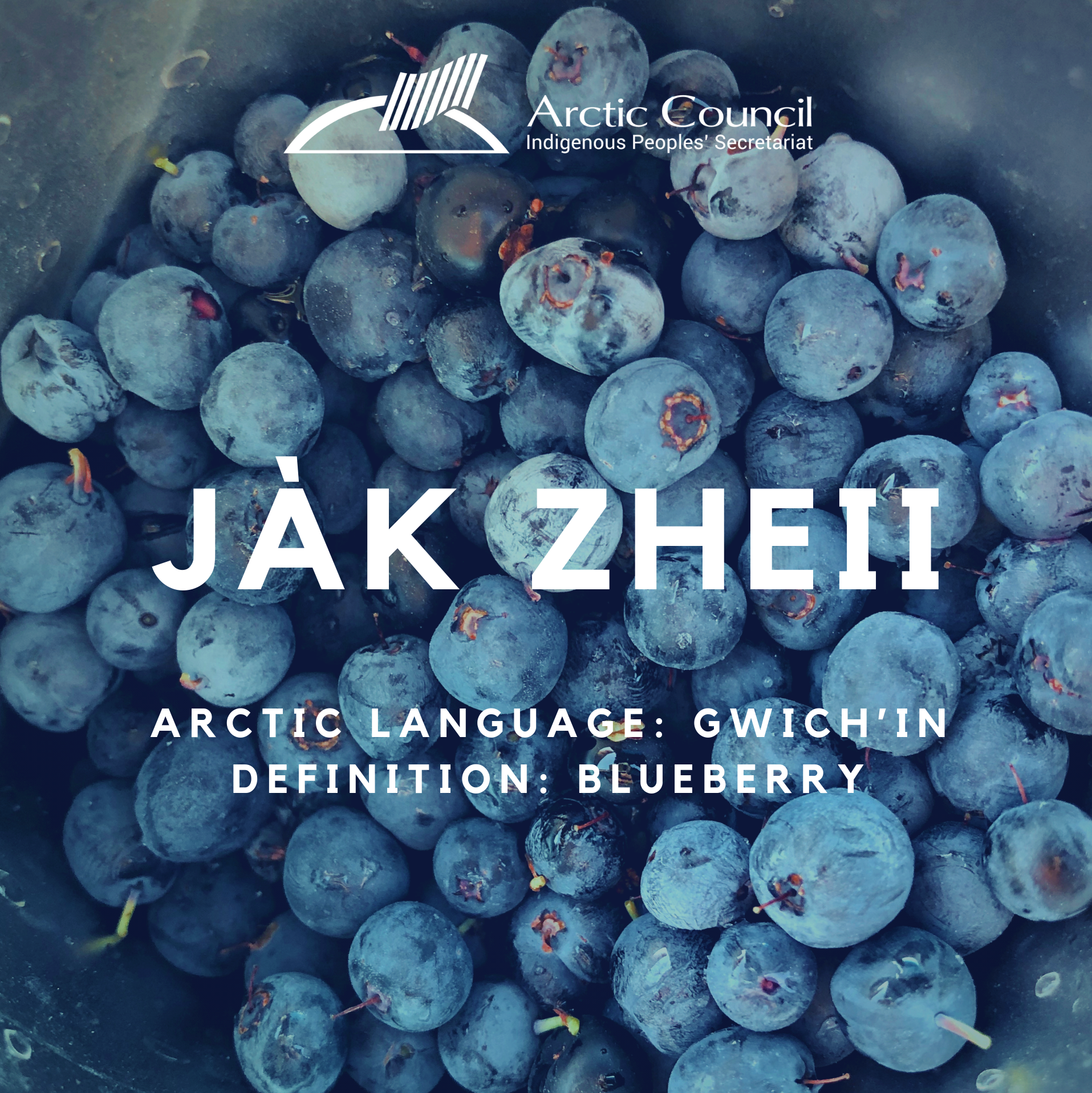
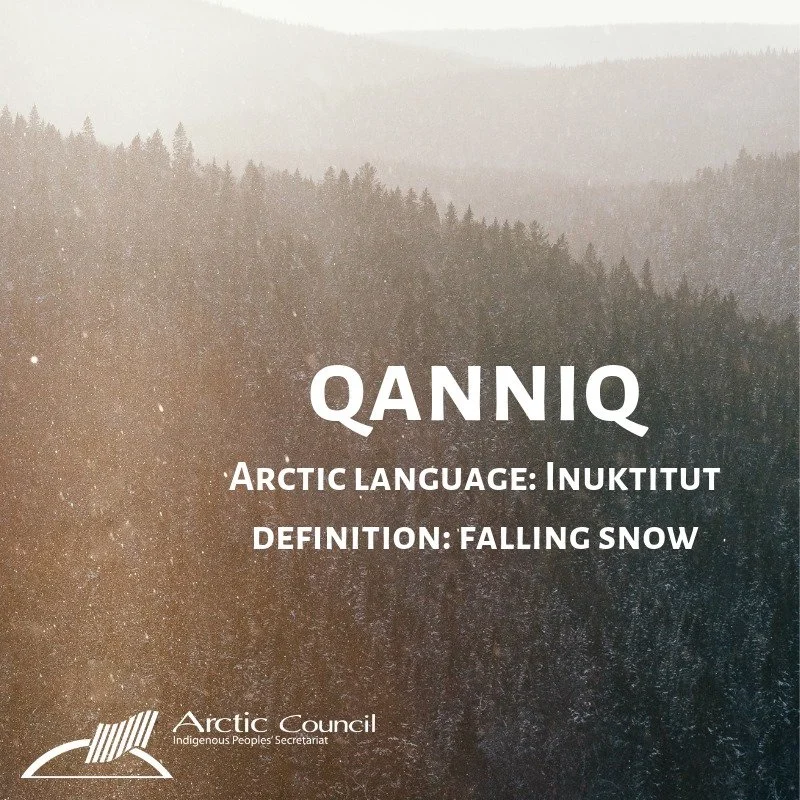
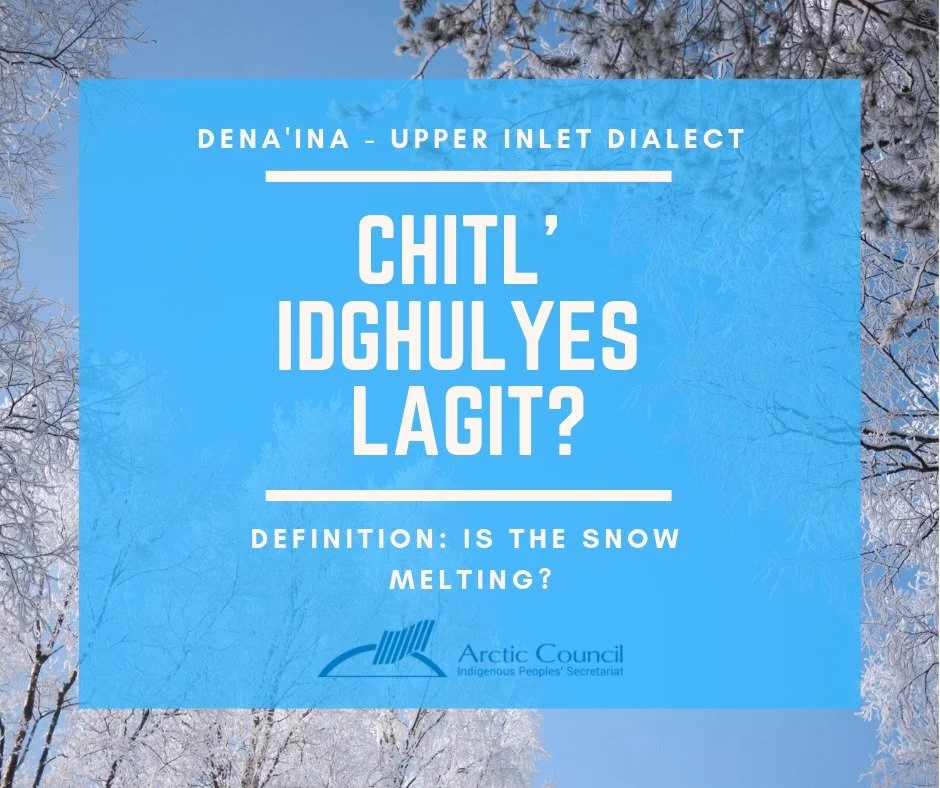
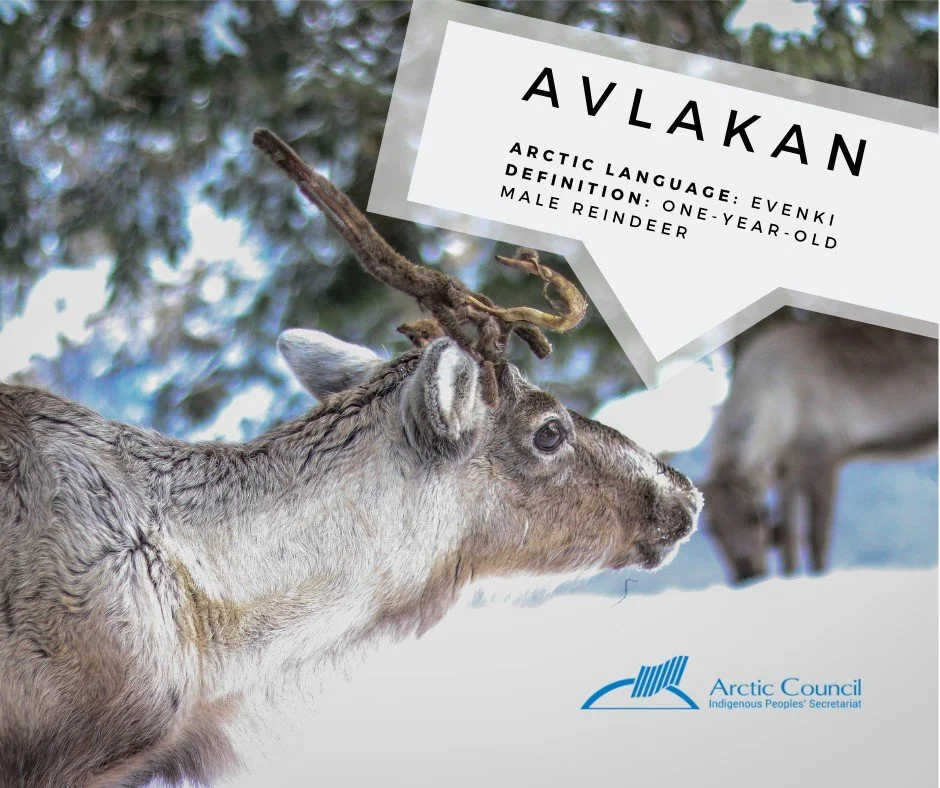
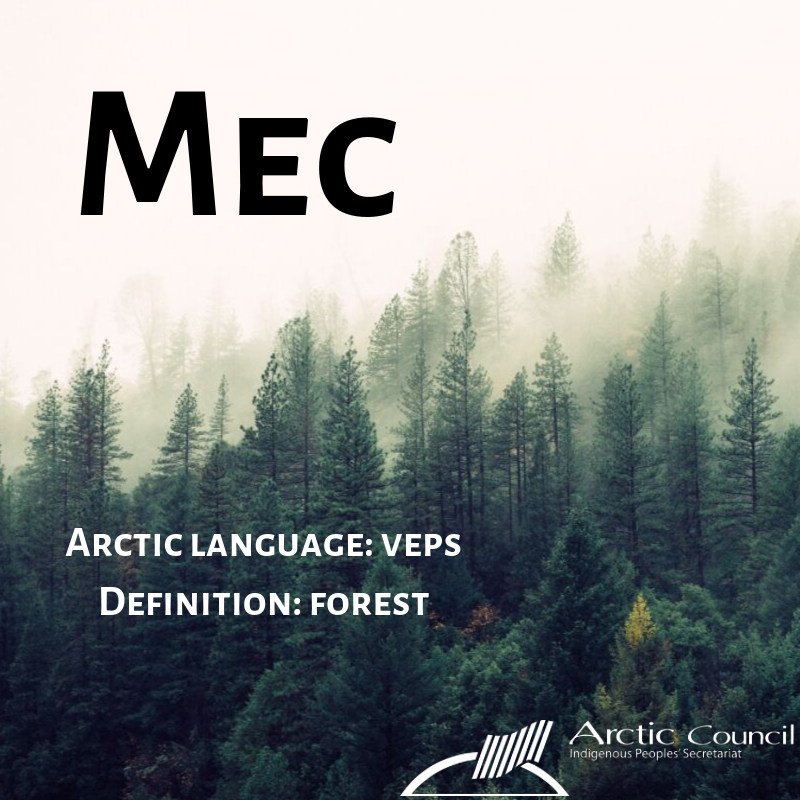
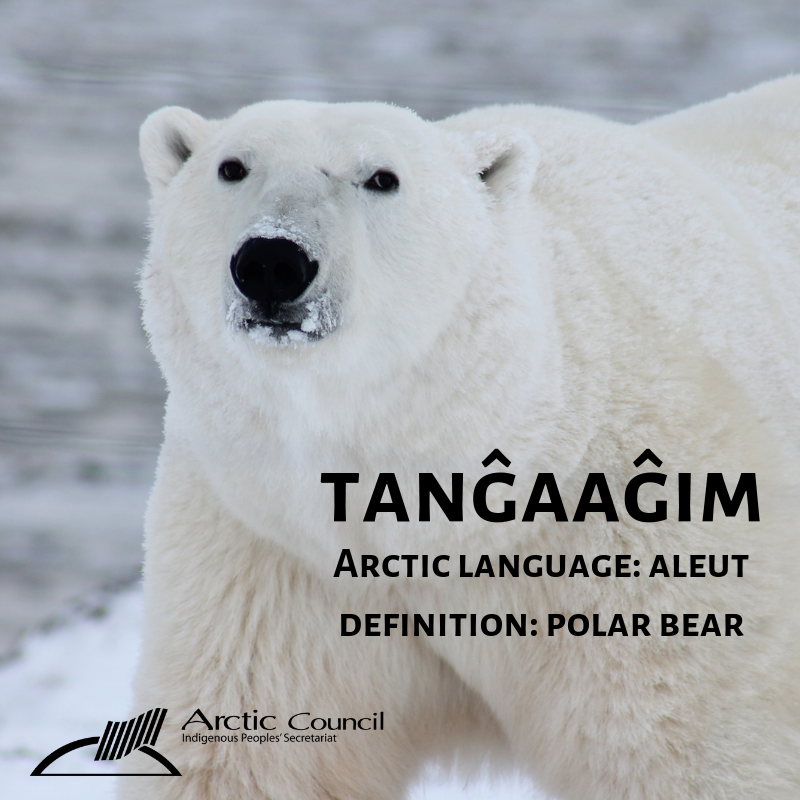
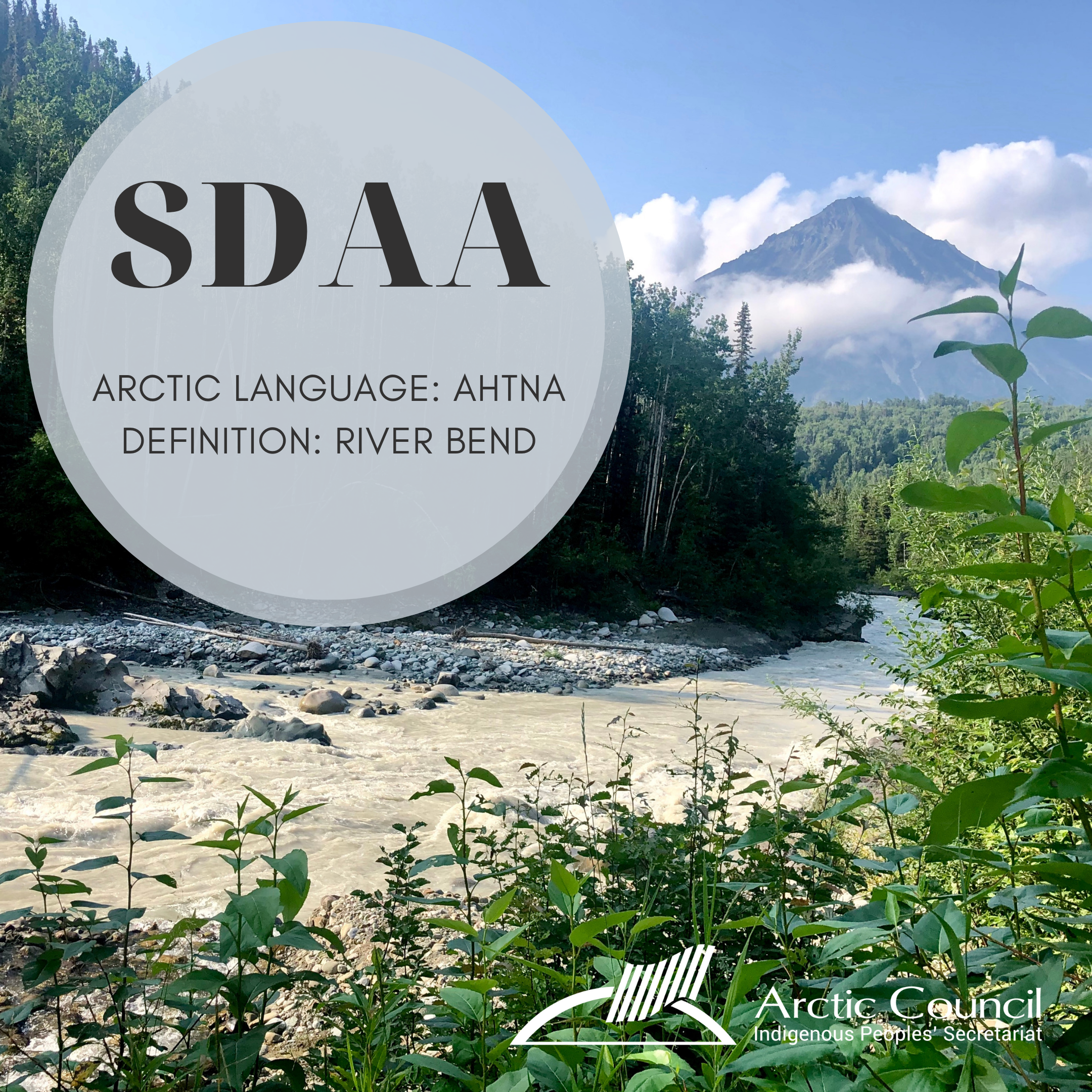
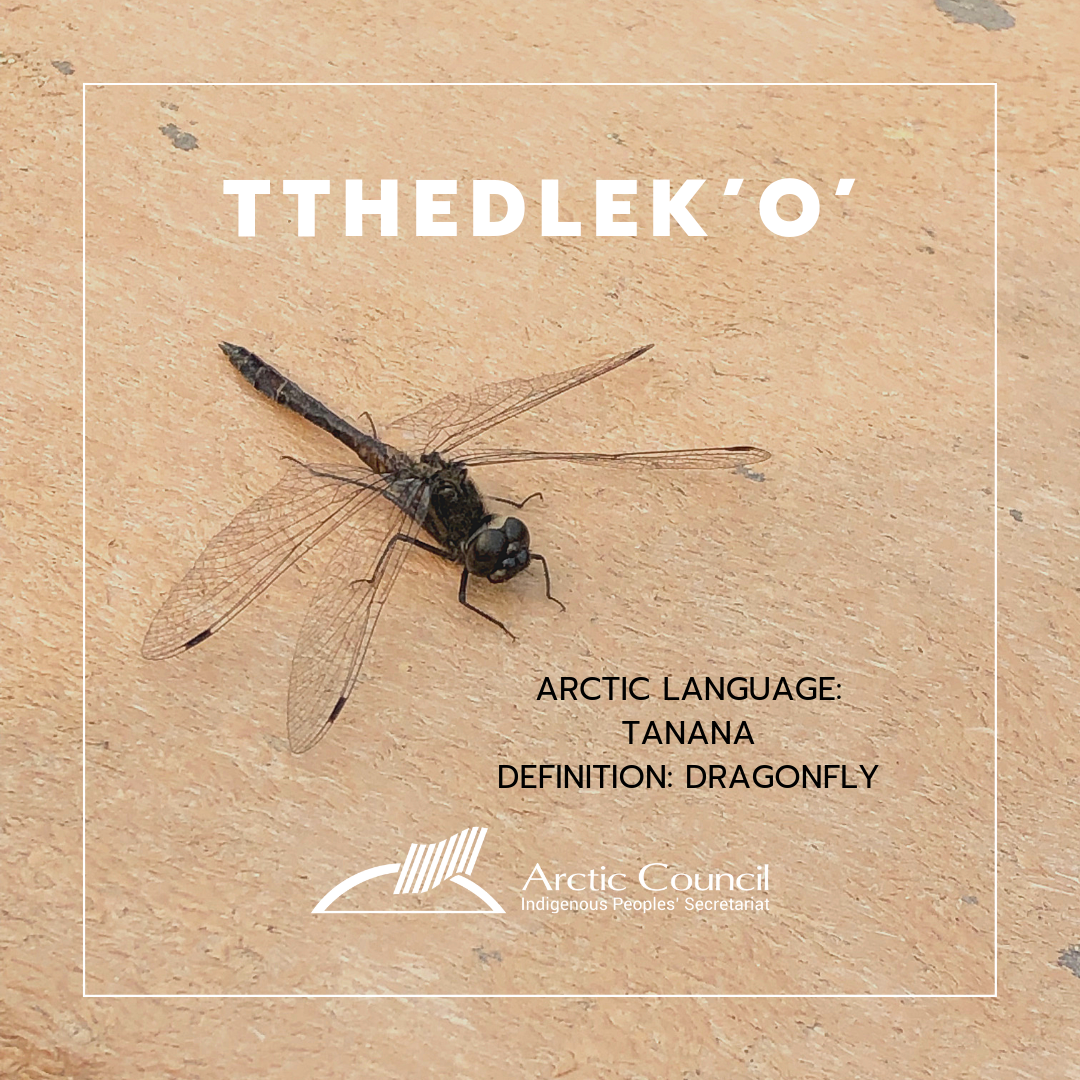
In addition to "Ságastallamin: Telling the Story,” the Indigenous Peoples' Secretariat spread the word about Arctic Indigenous languages through social media. The images below were used to teach a useful expression in a different language every week during the summer of the International Year of Indigenous Languages.